
Emergency Roof Repair: What to Do When a Leak or Storm Damages Your Roof
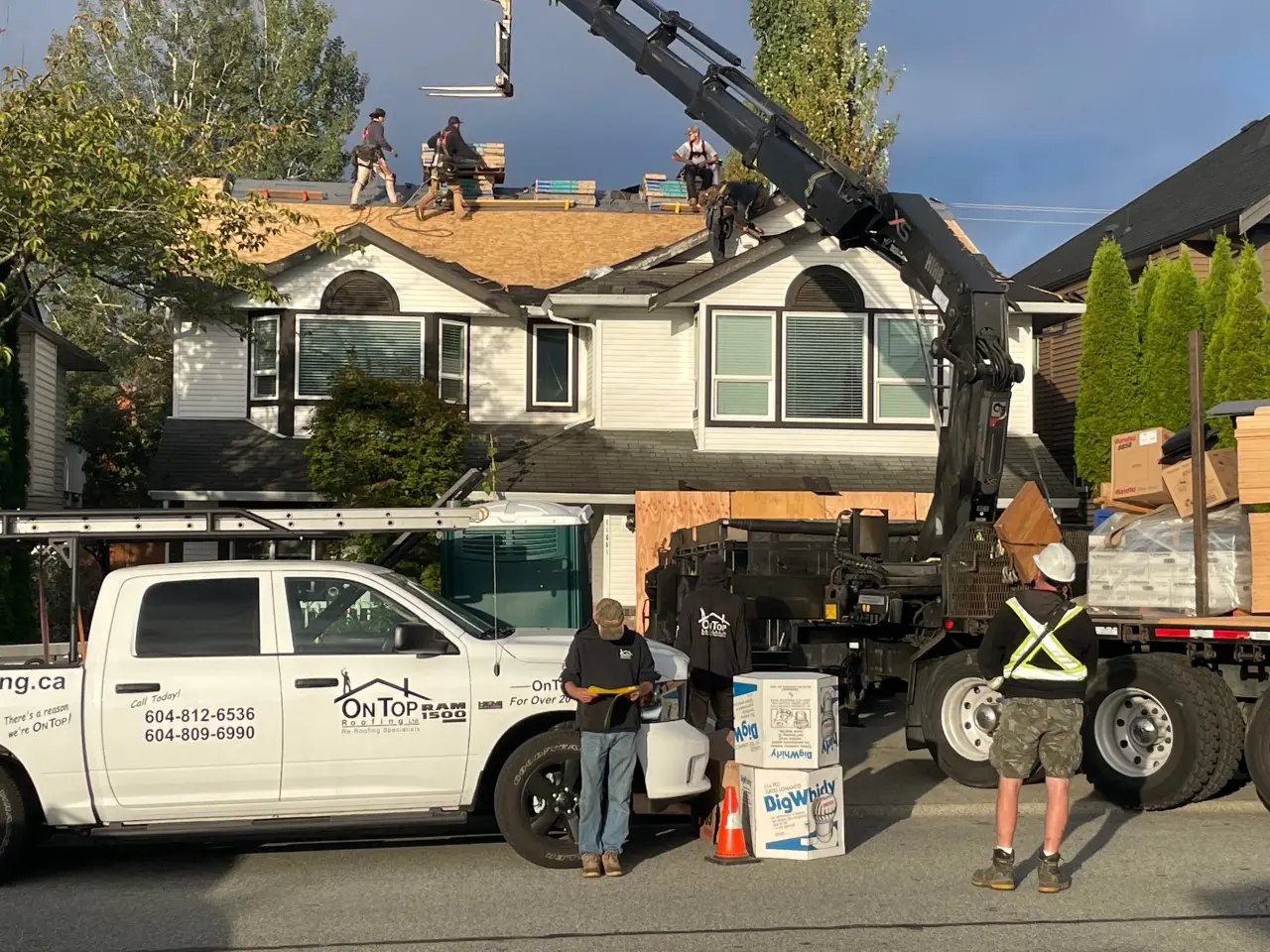
It never happens at a convenient time. A storm rolls through, and the next morning there’s a water stain spreading across the ceiling, or worse, you can hear dripping somewhere in the attic during a heavy rain. When that happens, the first few hours matter, and knowing what to do, and what not to do, can be the difference between a straightforward repair and a much bigger problem. As a roofing contractor working across the Lower Mainland, this is one of the calls we get most often once storm season sets in.
Signs You’re Dealing With an Emergency
Not every roof issue needs a same-day response, but some clearly do. A visible leak inside the home, water actively coming through a ceiling or wall, missing or torn-off shingles after a windstorm, or a section of roofing that’s visibly lifted or displaced are all situations that shouldn’t wait. If you can see daylight through the roof deck from inside the attic, or if debris has punctured the roofing material, that’s an emergency, not a “get to it next week” repair. We see this pattern often with roofers in Langley, where open exposure means wind-driven storms can lift shingles faster than in more sheltered areas.
What to Do Right After You Notice Damage
The first priority is limiting damage inside the home. If water is actively coming through, place a container to catch it and, if it’s safe to do so, move anything valuable out of the way. Avoid going up on the roof yourself, especially if it’s wet, windy, or if you’re not experienced working at height. Roofing is genuinely dangerous work, and a second emergency, an injury, is not what you need on top of the first one.
Take photos of the damage from a safe vantage point, both inside and outside if you can see it. This matters for two reasons: it helps a roofer understand the situation before they arrive, and it gives you documentation if you end up filing an insurance claim.
Why Fast Response Matters
Roof damage rarely stays the same size. A small leak left unattended can lead to soaked insulation, damaged drywall, and in more serious cases, mould growth, none of which get cheaper to fix the longer they’re left alone. Missing shingles expose the roof deck underneath, and every additional rain event after that makes the underlying damage worse. This is really why “emergency” matters as a category, the cost of delay tends to compound quickly with water damage in a way it doesn’t with a lot of other home repairs. It’s a pattern we see clearly with roofing in Maple Ridge, where mature tree coverage means a single windstorm can drop branches on a roof and leave damage that isn’t obvious from the ground until a leak shows up days later.
What an Emergency Repair Actually Involves
When a roofer responds to an emergency call, the first step is usually a temporary fix, tarping an exposed area, sealing an active leak point, or securing loose materials, to stop further damage while a full assessment and permanent repair are planned. This isn’t a shortcut or a lesser fix, it’s a deliberate first step that buys time to do the actual repair properly rather than rushing a permanent solution in bad conditions.
From there, a proper assessment identifies not just the visible damage but anything underlying it, since storm damage often affects more than what’s immediately obvious from the ground or even from inside the attic.
Emergency Repair vs. Full Replacement
Not every emergency call ends in a full roof replacement, and a good roofer won’t push you toward one if a targeted repair genuinely solves the problem. That said, sometimes an emergency reveals that the roof was already near the end of its useful life, and the storm damage was simply the event that surfaced it. In those cases, it’s worth having an honest conversation about repair versus replacement rather than sinking money into patching a roof that’s fundamentally due for replacement anyway. This comes up fairly often with abbotsford roof repair calls, where more open terrain means wind exposure can accelerate wear on an aging roof well before a homeowner expects it.
Insurance and Documentation
Storm damage is often covered under homeowners insurance, but insurers typically want documentation of both the damage and the repair. Photos taken before repairs begin, along with a clear scope of work from your roofer, make the claims process considerably smoother. It’s worth asking your roofer for an itemized estimate specifically for this reason, even if you’re paying out of pocket, since it gives you a record either way. This is especially relevant for roof repair in Port Coquitlam, where water backup from clogged gutters and valleys during heavy, sustained rain is a common cause of claims, and clear documentation helps insurers understand exactly what happened and when.
What to Look for in an Emergency Roofer
Response time matters, but so does what happens after the emergency call. A roofer who tarps a leak and disappears for two weeks hasn’t actually solved your problem, they’ve delayed it. Look for a company that follows through with a full assessment and a clear repair plan, not just a temporary patch and an invoice. It’s also worth asking upfront how emergency work factors into a future full repair or replacement, since some roofers will credit an emergency repair toward the cost if a larger job follows within a reasonable window.
Don’t Wait on a Suspected Leak
If you’re not sure whether what you’re seeing is an emergency or something that can wait, it’s always worth a quick call rather than guessing. A five-minute conversation can often tell you whether it’s something to address immediately or something that can be scheduled for a routine inspection instead.
Frequently Asked Questions
How quickly should I call a roofer after storm damage?
As soon as you notice it, especially if water is actively entering the home. Even if a full repair can’t happen the same day, getting a temporary fix in place quickly limits how much additional damage occurs.
Is emergency roof repair more expensive than a scheduled repair?
It can be, since it often involves an after-hours or urgent response, but the cost of delaying a genuine emergency, water damage, mould, structural issues, is almost always higher than the premium for a fast response.
Can I put a tarp on my own roof to stop a leak?
It’s possible, but roofing is dangerous, especially in the wet or windy conditions that usually accompany storm damage. If you’re not experienced working at height, it’s safer to wait for a professional or ask a roofer for guidance over the phone in the meantime.
Will my insurance cover emergency roof repair?
Often, yes, particularly for storm-related damage, but coverage depends on your specific policy. Documenting the damage with photos and getting an itemized estimate from your roofer makes the claims process much smoother.