
Strata Roof Replacement in BC: Planning, Budgeting and Choosing a Contractor
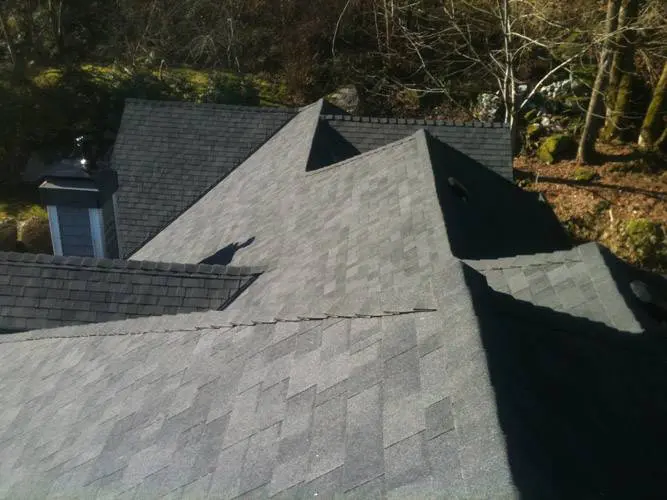
Planning a Strata Roof Replacement in BC
- **Understand BC’s depreciation report requirements.** Strata corporations with five or more lots must obtain depreciation reports. The previous annual 3/4 vote to defer this requirement is no longer available. Use the report to help plan your roof replacement timeline.
- **Review your funding options.** Roof replacement costs may be covered through the contingency reserve fund, a special levy (generally requiring a 3/4 vote at a general meeting), a loan, or a combination of these options. Confirm the details with your property manager or legal counsel.
- **Plan ahead and compare quotes.** Collect two or three written quotes with matching scopes of work. Use the winter months for planning and aim to schedule roofing work during the drier months.
- **Choose a qualified roofing contractor.** Check WorkSafeBC clearance, liability insurance, who will actually complete the work, local references, and a detailed written scope.
- **Address emergency leaks promptly.** Complete necessary emergency repairs when a leak occurs. OnTop Roofing credits the repair price toward a full re-roof if you proceed with the replacement within one year.
Ready to Plan Your Strata Roof Replacement?
Contact OnTop Roofing for professional guidance and a no-obligation quote for your roofing project.
This guide walks strata councils, property managers, and owners through the process of replacing a roof in British Columbia: how to know when it is time, how to fund the project, and how to choose a roofing contractor you can trust. It is general information, not legal advice, so confirm details against the Strata Property Act, your bylaws, and your property manager.
Start With Your Depreciation Report
For strata corporations with five or more lots, depreciation reports are now mandatory in British Columbia, and the old option of deferring the report with an annual 3/4 vote has been removed. These reports include a long-term projection of major repair and replacement costs, and they present at least three cash-flow funding models for the contingency reserve fund.
For roofing, the depreciation report is your starting point. It estimates the remaining life of the roof, flags when replacement is likely, and shows how reserve funding compares with expected costs. If the roof is approaching the end of its life and the reserve is thin, you are looking at a special levy or other funding, and the earlier you know, the more time owners have to plan.
A depreciation report is not a substitute for a roof inspection. Before you commit to a scope, have the roof assessed by a qualified roofer or consultant who can confirm its condition and what the replacement should include.
Signs the Roof May Be Due
Even with a report in hand, watch for warning signs between reviews:
- Recurring leaks or water stains inside units, especially in top-floor ceilings
- Curling, cracked, or missing shingles, or deteriorating cedar shakes
- Heavy moss or granule loss in gutters
- Sagging areas or soft decking
- Poor attic ventilation or condensation problems
- A roof that is at or beyond its expected service life
Catching problems early can sometimes extend a roof’s life, but repeated repairs on an aging roof often cost more over time than planned replacement.
How Strata Roof Replacements Are Funded
Funding is where many councils feel the most pressure. In BC there are three common sources, and many projects use a combination.
| Funding Source | How It Works | Approval | Considerations |
|---|---|---|---|
| Contingency reserve fund (CRF) | Money set aside over time for major repairs | Spending from the CRF generally requires a 3/4 vote, with limited exceptions | Best case, since owners have already been contributing |
| Special levy | A one-time charge on owners in addition to regular fees | Must be approved by a 3/4 vote at a general meeting | Owners can face large bills, so communicate early |
| Loan or financing | The strata borrows and repays over time | Governed by the Act and the strata’s bylaws | Spreads the cost but adds interest |
Spreading costs is often easier on owners than a single large levy, but every option has trade-offs. Your property manager, accountant, or legal counsel can help you choose.
A Step-by-Step Planning Timeline
| Step | What Happens | Why It Matters |
|---|---|---|
| 1. Review the depreciation report | Confirm roof age, remaining life, and funding status | Sets the budget and timing |
| 2. Inspect the roof | Have a qualified roofer assess condition and scope | Prevents surprises mid-project |
| 3. Define the scope | Decide on materials, ventilation, and decking repairs | Ensures quotes can be compared |
| 4. Collect multiple quotes | Request written bids with matching scope | Reveals fair pricing |
| 5. Inform owners | Share information, answer questions, hold a meeting | Builds support for the vote |
| 6. Hold the vote | Approve spending, levy, or financing as required | Authorizes the project legally |
| 7. Sign the contract | Confirm schedule, warranty, and payment terms | Protects the strata |
| 8. Manage the work | Coordinate access, communication, and safety | Keeps owners informed |
| 9. Close out | Walk the site, collect warranty documents | Secures long-term protection |
Starting early matters. Roofing schedules are weather-dependent in the Lower Mainland, so many councils collect quotes over the winter and plan for work in the drier months.
Choosing Roofing Materials
For many townhome and low-rise stratas, the main roofing decision is between asphalt shingles and replacing aging cedar shakes. Asphalt shingles are widely used and cost-effective, while cedar has a distinct look but typically needs more maintenance. A complete roof system includes underlayment, ventilation, flashings, and accessories, not just the shingles.
Manufacturer warranties can matter to owners. For example, CertainTeed offers its Integrity Roof System with warranties that are installed by qualified contractors, and OnTop Roofing provides a 50-year CertainTeed warranty that is transferable and non-prorated. Ask for details on what is required and covered.
What to Look for in a Strata Roofing Contractor
Your strata is responsible for choosing a contractor who protects owners and the corporation. Before signing, check the following:
- WorkSafeBC coverage. Ask for a current clearance letter. If a contractor is not properly registered, the strata can face serious risk.
- Liability insurance. Confirm coverage meets what your strata insurer and bylaws expect. OnTop Roofing carries $5 million in liability insurance.
- Experience with strata and multi-unit projects. Communication with many owners is different from a single homeowner job.
- Who does the work. Ask whether the crew is the contractor’s own or subcontracted. OnTop does not use subcontractors, and the owner personally manages every job.
- References and past work. Request local references and photos. You can see examples on our gallery page and read customer feedback on our testimonials page.
- A clear written scope. The quote should state what is included, including decking repairs, ventilation, and cleanup.
- Cleanup and site care. Strata properties are lived in, so job-site tidiness is essential.
Managing Owner Communication
Even well-planned roof replacements create stress when owners feel uninformed. Council should explain why the work is needed, how it will be paid for, what the schedule looks like, and what owners can expect, including noise, access, and parking. A short written update before the project starts, and another when it finishes, goes a long way.
What If There Is an Emergency Leak?
Sometimes a leak cannot wait for a full vote and schedule. A responsible contractor will make a temporary or necessary repair to protect the building. OnTop Roofing’s approach is to quote a fair, simple price for the repair, and if you decide to replace the roof within the next year, the repair price is credited toward the total.
Serving Stratas Across the Lower Mainland
We work with property owners from Port Coquitlam to Mission and throughout the Lower Mainland, including Langley, Maple Ridge, Abbotsford, and Burnaby. You can see the areas we cover on our service area page.
Frequently Asked Questions
Do strata corporations in BC need a depreciation report?
Strata corporations with five or more lots must obtain depreciation reports, and the previous ability to defer them by an annual 3/4 vote has been removed.
What vote is required for a special levy?
A special levy generally must be approved by a 3/4 vote at a general meeting. Confirm the details for your situation with your property manager or legal counsel.
How many quotes should a strata get?
At least two or three written quotes with matching scopes make it easier to compare pricing and approach.
Can a strata replace only part of a roof?
Sometimes, depending on condition and design, but partial work can leave uneven aging. A roof assessment will help you decide.
When is the best time to replace a roof in BC?
Roofing is weather-dependent, so many projects are scheduled in drier months, but timing depends on the contractor, materials, and condition of the roof.
Start the Conversation
If your strata is planning a roof replacement, a site visit and a clear written quote are a good place to begin. Contact OnTop Roofing to request a no-obligation quote, or learn more about our team and approach on our home page.
This article is for general informational purposes only and is not legal advice. Strata rules and requirements can change, so consult your property manager or a qualified professional.