
Roof Repair in Port Coquitlam: Costs, Warning Signs & When to Act
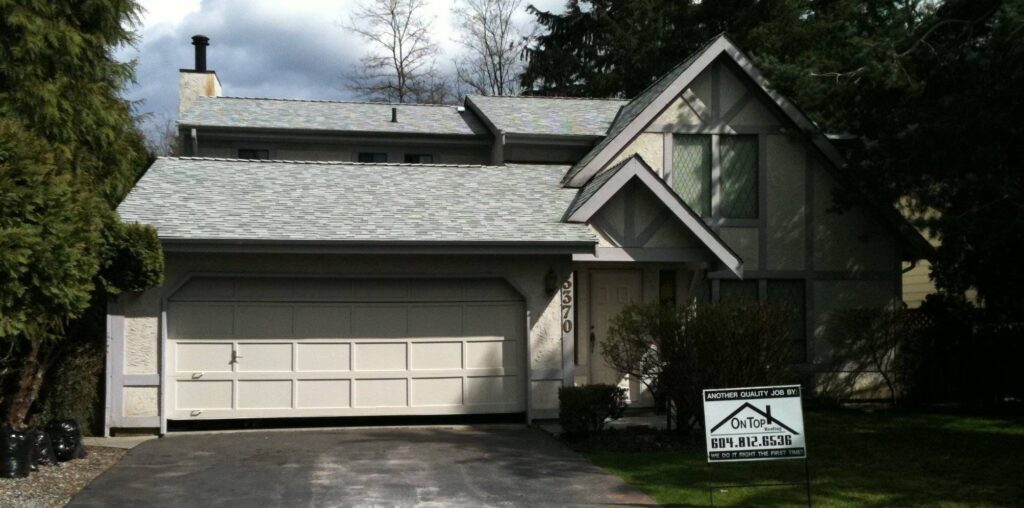
Living in British Columbia exposes your property to heavy rain and wind. These elements constantly test the exterior defenses of your home. Over time, this harsh weather causes unavoidable wear and tear. Finding reliable roof repair in Port Coquitlam is crucial when you spot the first signs of trouble.
Catching issues early prevents minor leaks from turning into major structural problems. It also saves you significant money on extensive future renovations.
Understanding the Urgency of Roofing Problems
Delaying exterior maintenance is a common but dangerous mistake. Water always finds the easiest path inside your home.
Once moisture enters, it spreads quickly through insulation and wood framing. A tiny gap outside can lead to widespread rot inside your walls.
Working with experienced home roofing experts helps you secure your home before the rainy season peaks. Professional help ensures durable and long-lasting results.
Mold growth is another serious risk of delayed action. Damp environments allow mold to thrive, posing severe health risks to your family.
Taking fast action protects your long-term property value. It also keeps your daily living environment safe, healthy, and completely dry.
Common Roof Damage Signs to Watch For
Finding problems early means you need to know exactly what to look for. You should check your property regularly throughout the year.
Spotting early roof damage signs gives you time to plan and budget for fixes. Catching these signs requires both external and internal checks.
Exterior Warning Signs
The outside of your home shows the most obvious signs of wear. Look for these issues immediately after severe weather events.
-
Curling shingles that no longer sit flat against the surface
-
Missing asphalt granules are accumulating inside your rain gutters
-
Cracked or rusted metal flashing around your chimney and vents
-
Heavy moss growth traps moisture against the surface materials
-
Noticeable sagging or dipping in the center of the structure
Interior Warning Signs
Sometimes the outside looks perfectly fine from the ground. However, the inside of your home might tell a completely different story.
-
Brown or yellow water stains appearing on your ceiling drywall
-
Paint blistering or wallpaper peeling near the top of your walls
-
Strong musty odors are coming directly from your upper attic space
-
Visible daylight showing through the wooden boards in your attic
-
Damp insulation that has lost its fluffy texture and effectiveness
A Practical Roof Inspection Checklist
Staying organized helps you maintain your property efficiently. Using a standard roof inspection checklist makes the evaluation process very simple.
We recommend doing a visual check twice a year. Spring and fall are the absolute best times for this vital task.
-
Walk around the perimeter to look for missing exterior materials
-
Check gutters for blockages and ensure water flows freely downward
-
Inspect the attic for signs of hidden moisture or poor ventilation
-
Examine the caulking and seals around skylights and air vents
-
Trim back overhanging tree branches to prevent impact damage
Following these steps keeps you ahead of major structural issues. For more detailed advice, you can review ways to maintain your exterior year round effectively.
The Hidden Risks of Ignoring Small Leaks
Many property owners underestimate the danger of a tiny drip. They place a bucket underneath the leak and simply forget about it. This is a critical mistake that leads to severe secondary consequences. Water rarely travels in a straight line directly downwards.
It pools in hidden areas right above your ceiling drywall. This causes the drywall to saturate, become incredibly heavy, and eventually collapse.
A sudden ceiling collapse ruins furniture, flooring, and electronics below. The resulting cleanup process is extensive, disruptive, and highly stressful.
Furthermore, hidden moisture attacks your internal electrical wiring. Water and electricity are a dangerous combination that can easily cause residential fires.
Breaking Down Leaking Roof Repair Cost
Homeowners often worry about unexpected contracting expenses. Understanding the average leaking roof repair cost helps you confidently prepare your budget.
Prices vary based on the exact extent of the weather damage. Material choices and professional labor time also affect the final bill.
Minor fixes are generally very affordable and fast to complete. Ignoring them, however, leads to highly expensive structural rebuilds later on.
Below is a breakdown of common repairs and their impact on your budget.
| Repair Type | Scope of Work | Cost Impact |
|---|---|---|
| Shingle Replacement | Removing and replacing torn or missing surface pieces | Low |
| Flashing Repair | Installing new watertight metal seals around roof vents | Moderate |
| Valley Repair | Rebuilding the sloped intersections where water flows heavily | Moderate to High |
| Plywood Decking | Cutting out rotted wood and installing new structural boards | High |
| Ventilation Fix | Clearing blockages and replacing broken plastic vent covers | Low to Moderate |
Investing in a low-cost fix today prevents a high-cost disaster tomorrow. Financial planning is much easier when problems are small.
Choosing the Right Materials for Local Weather
The climate in British Columbia dictates the materials you should use. Not all building products perform well in constant heavy rainfall.
You need materials designed to shed water quickly and resist heavy wind uplift.
-
Architectural Asphalt Shingles offer extra thickness and high wind resistance
-
Metal Panels are extremely durable and shed rain effortlessly
-
Synthetic Underlayment provides a superior waterproof barrier compared to felt
-
High-quality sealants prevent moisture penetration around complex structural joints
Selecting the right products ensures your repairs last for decades. It also dramatically reduces the frequency of future maintenance calls.
When to Call for Emergency Roofing in Port Coquitlam
Some situations require immediate professional intervention. You cannot always wait for a scheduled appointment next week.
Knowing when to request emergency roofing Port Coquitlam services keeps your home safe. Severe weather is usually the main culprit for these situations.
If a falling tree branch physically punctures your home, you need help right away. High winds tearing off large sections of material also strictly qualify as a crisis.
Water pouring into your living room during a storm is an absolute emergency. Do not try to climb up and fix it yourself in bad weather.
Instead, trust dedicated professional services to handle the danger. Experts will tarp the area safely to stop the water intrusion immediately.
Why Local Contracting Expertise Matters
Hiring a contractor familiar with Port Coquitlam’s weather patterns is vital. Local experts understand the specific environmental challenges your home faces.
They know exactly how wind currents affect different neighborhood elevations. They also fully understand local building codes and strict compliance requirements.
A local team can respond much faster during a sudden weather emergency. Fast response times are critical when active water is entering your home.
They also source materials that have a proven track record in the exact area. This local knowledge directly translates into better, longer-lasting results for your property.
The Dangers of DIY Roofing Projects
Watching online video tutorials makes structural work look incredibly easy. However, the reality is much more complicated and physically dangerous.
Climbing a high ladder with heavy tools carries a massive risk of falling. Severe physical injuries are very common among homeowners attempting DIY fixes.
Additionally, improper amateur installation instantly voids the manufacturer’s material warranties. If you nail a shingle incorrectly, the manufacturer will absolutely not cover future failures.
You might also easily miss subtle signs of hidden rot that a professional would catch. Covering up rotted wood only guarantees a much bigger structural collapse later.
The Long-Term Value of Timely Action
Your home is a complex system of highly connected parts. When one functional area fails, the rest of the house silently suffers.
Moisture ruins your insulation, forcing your heating system to work much harder. This drives up your monthly energy bills significantly over the winter.
Quick repairs protect the overall financial equity of your property. Future buyers always look for well-maintained, problem-free exteriors.
A documented history of prompt maintenance proves your home is a solid investment. Visible neglect will only lower your real estate asking price.
Conclusion
Taking care of your property requires steady attention and proactive effort. Understanding the early warning signs helps you make cost-effective choices.Do not wait for a small leak to completely compromise your living space. Acting quickly keeps your family safe, comfortable, and dry.
If you need a professional structural assessment, reach out to our team today. We provide honest feedback and highly reliable construction solutions.
Read the positive stories from other local homeowners who strongly trust On Top Roofing for their property needs. Protect your major financial investment starting today.
Frequently Asked Questions (FAQ)
How do I know if I need a simple repair or a full replacement?
Repairs work best for isolated damage, like a few missing shingles. Replacements are required when materials are old or the damage is widespread.
Can I place a tarp over a leak myself?
It is very dangerous to walk on a wet, sloped surface during a storm. You should always let trained professionals handle emergency tarping.
Will my insurance cover the repair costs?
Insurance usually covers sudden storm damage from high winds or fallen trees. It rarely covers damage caused by long term neglect or aging.
How long does a typical repair take to finish?
Minor patching can take just a few hours to safely complete. Replacing rotted wood or complex metal flashing might take a full day.
What is the best time of year to check for damage?
Late spring and early fall are the most effective inspection times. This optimally prepares your home for extreme summer heat and harsh winter freezing.