
Complete Guide to Roofing Contractors in BC: What Homeowners Must Know
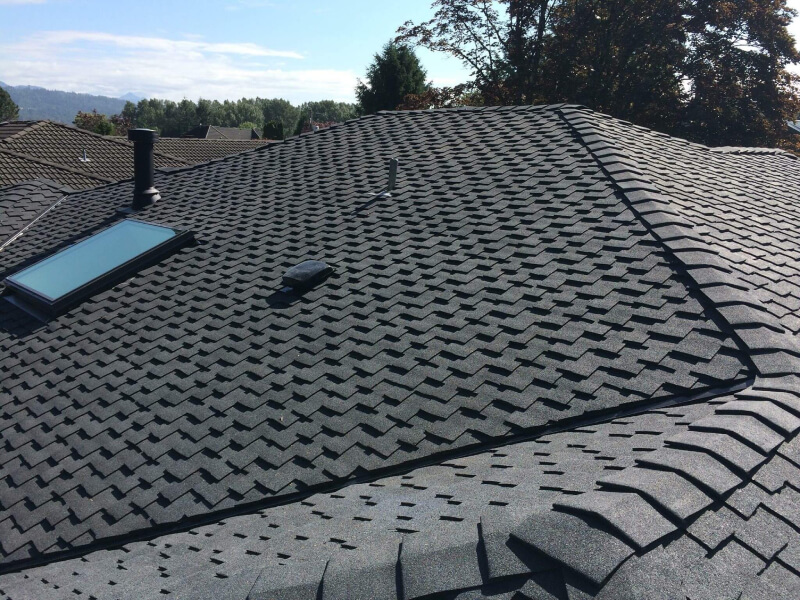
In BC, your roof is not a “30-year set-and-forget” asset. Between heavier winter storms, wildfire smoke impacts, and tighter insurance scrutiny, homeowners are seeing roofs become a bigger financial and safety decision than they were even five years ago. In fact, extreme weather has become a leading driver of property losses in Canada, with catastrophe-related insured losses repeatedly reaching multi-billion-dollar years(Insurance Bureau of Canada, 2024). That reality makes choosing the right roofing contractor in BC a risk-management decision, not just a renovation.
This guide explains how to evaluate credentials, pricing, warranties, and contracts in 2026. You will learn how to verify a certified roofing contractor BC homeowners can trust, what to know about roofing license Canada rules, how roofing warranties BC actually work, and the exact questions that prevent costly surprises.
Why choosing the right roofing contractor in BC matters more in 2026
BC’s roofing market is being reshaped by three forces in 2026: climate volatility, labor constraints, and stricter underwriting from insurers. If you choose a contractor who cuts corners on ventilation, fastening patterns, or underlayment selection, the failure may not show up immediately. It often shows up during the first wind event, the first ice dam, or the first heatwave cycle that accelerates shingle aging.
There is also a homeowner expectation gap. Many people assume “new roof” automatically means “problem solved.” In practice, roof performance depends on the system, not just the shingle. Inadequate attic ventilation is one of the most common contributors to premature shingle wear and moisture issues (Canada Mortgage and Housing Corporation, 2023). That is why homeowners should understand how to choose a reliable roofing contractor before moving forward with a roofing project. A reliable roofing contractor will inspect intake and exhaust ventilation, attic insulation conditions at the eaves, and flashing details before quoting.
Licensing and legal basics: roofing license Canada vs BC requirements
One of the most misunderstood topics is the “roofing license” question. Canada does not have a single national roofing license for contractors. Instead, BC relies on a combination of business licensing (municipal), insurance requirements, and consumer protection rules for home improvement contracts.
A reputable roofing contractor should be able to show, in writing, their legal business name, proof of general liability insurance, and proof of workers’ compensation coverage. In BC, WorkSafeBC coverage matters because if a worker is injured and the contractor is not properly covered, liability can become complicated and costly for homeowners (WorkSafeBC guidance, 2025).
What you should verify before signing
Edge case: “My roofer says they are exempt from permits”
Many re-roofs do not require a building permit in every municipality, but rules vary. If your project involves structural repairs, significant sheathing replacement, skylights, or changes to ventilation, you may trigger permit requirements. A qualified contractor will advise what applies in Langley and coordinate documentation when needed.
What “certified roofing contractor BC” really means (and what it does not)
“Certified” can mean different things in roofing, and homeowners should treat the word as a starting point, not proof by itself. In 2026, you will commonly see manufacturer credential programs (for example, contractor tiers tied to training, installation standards, and the ability to register enhanced warranties). You may also see safety training credentials and local association memberships.
Best practice: ask what the certification allows them to do for you. The right credential often matters because it can unlock longer manufacturer-backed warranties, require documented installation steps, and provide clearer dispute pathways if there is a product issue.
Cost and quotes in BC: what drives price and how to compare apples to apples
Roofing quotes in BC can vary widely, even for the same house. The variation is not always “one contractor is cheaper.” Often it is “one contractor is quoting a different roof system.” In 2026, homeowners should expect quotes to reflect upgrades like ice-and-water membranes, improved ventilation, higher wind-rated shingles, upgraded flashing packages, and enhanced warranty eligibility. Reviewing customer testimonials and project experiences can also help homeowners understand the level of service and workmanship behind a roofing quote.
When comparing estimates, insist on line-item clarity. A proper quote should identify the number of squares, tear-off scope, underlayment type, ventilation plan, flashing scope, and disposal. Without those, you cannot compare bids fairly.
Quick benchmark ranges (context, not a substitute for a site visit)
As of recent Canadian construction pricing indexes, residential construction input costs remained elevated versus pre-2020 baselines, even though volatility has cooled (Statistics Canada, 2024). In practice, BC homeowners often see wide bands due to roof pitch, access, and detailing.
| Quote line item | What “good” looks like | Why it changes cost |
|---|---|---|
| Tear-off and disposal | Clear scope: 1 layer vs multiple layers, bin included | Extra layers and heavy debris increase labor and disposal fees |
| Underlayment and eave protection | Membrane at eaves/valleys where needed, matched to roof design | Better membranes cost more but reduce leak risk from ice dams and wind-driven rain |
| Ventilation plan | Balanced intake/exhaust, documented approach | More vents or upgraded intake can add material and labor but protects roof lifespan |
| Flashing scope | Wall flashing, chimney, skylights, pipe boots specified | Flashing is detail-heavy and leak-critical, shortcuts are expensive later |
| Warranty registration | Written commitment to register, owner receives confirmation | Enhanced warranties can require approved components and certified installers |
Roofing warranties BC: what is covered, what is not, and how to protect yourself
Most homeowner frustration with roofing warranties comes from misunderstanding the difference between manufacturer warranties and workmanship warranties. Manufacturer warranties typically address defects in the roofing product, not installation errors. Workmanship warranties cover installation quality, but the terms vary dramatically between contractors. Reviewing the roofing company’s services and installation approach can help homeowners better understand what is included in the scope of work and warranty coverage.
In 2026, the best warranty outcomes come from documentation. If a problem occurs, the first questions are usually “what was installed,” “how was it installed,” and “was it installed to spec.” That is why a roofing contractor who provides a photo set, ventilation notes, and written material list is not just being thorough. They are protecting your future claim position.
Real-world scenario: “My roof leaks but the shingle has a 30-year warranty”
A leak is often flashing, ventilation condensation, or installation detailing, not a product defect. If the leak is from workmanship, the manufacturer warranty may not help. This is why the contractor’s workmanship warranty, inspection process, and documentation matter as much as the product rating.
Homeowner best practice: keep a digital folder with your contract, invoice, proof of payment, warranty certificates, and install photos. This is increasingly important for resale disclosure and insurance documentation.
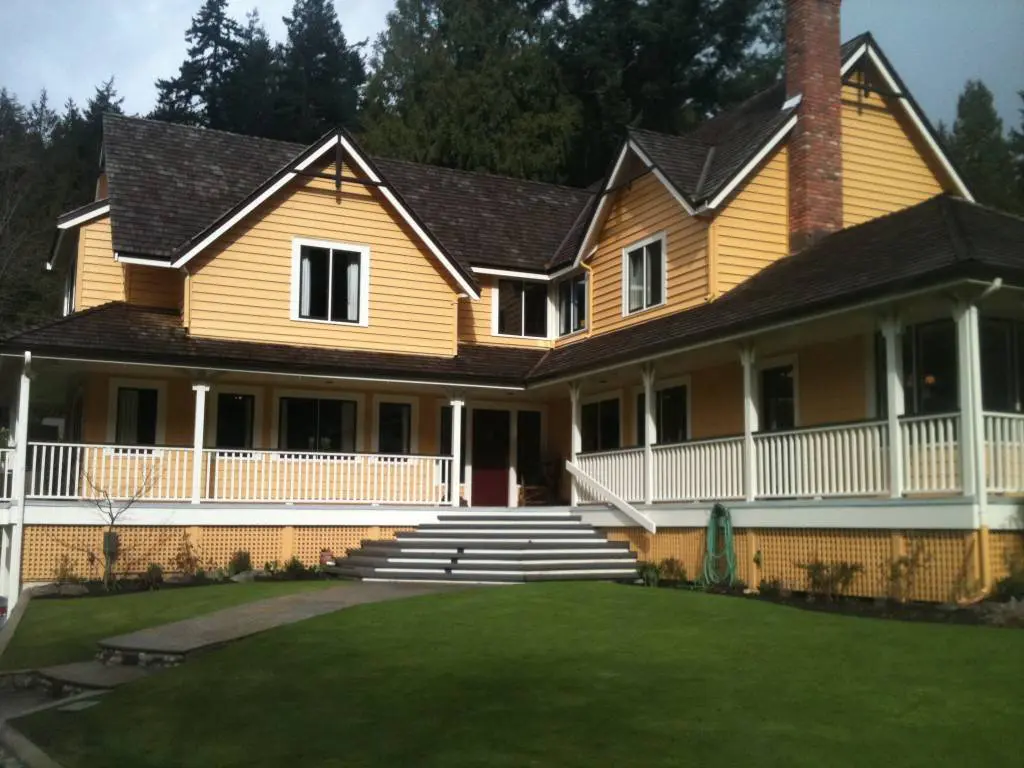
How to vet a roofing contractor like a pro (questions, proof, and on-site signals)
Most homeowners rely on online reviews, but reviews alone do not reveal system quality. In 2026, the fastest way to separate strong contractors from risky ones is to evaluate their process. A professional roofer can explain how they handle ventilation, flashing transitions, deck preparation, and weather windows in a way that matches BC conditions.
Common mistakes to avoid (and what to do instead)
Most roofing failures are not caused by the shingle brand. They are caused by rushed detailing, unclear scope, and poor ventilation planning. Avoiding a few predictable mistakes can save thousands and prevent months of frustration.
2026 roofing trends in BC that smart homeowners are using
In April 2026, the best contractors are aligning roof systems with resilience, ventilation performance, and documentation. The “trend” is not a color or shingle pattern. It is a process shift toward measurable quality and insurance-friendly proof.
Trend 1: resilience upgrades driven by weather risk
More homeowners are choosing upgraded eave protection, higher wind-rated shingles, and reinforced flashing packages. This tracks with Canada’s continued pattern of high catastrophe losses, where severe weather is a dominant driver of insurance claims (Insurance Bureau of Canada, 2024). In practical terms, that means more focus on the roof edge, valleys, and transitions, where wind-driven rain and ice are most punishing.
Trend 2: better documentation for resale and insurance
Contractors are increasingly providing before-and-after photo sets, ventilation notes, and warranty registration confirmations. This helps during home sales, and it can speed up insurance conversations after storms.
Trend 3: more solar and roof penetrations
Solar adoption continues to rise in BC as homeowners pursue long-term energy savings and resilience. National surveys consistently show homeowners ranking energy efficiency as a top renovation priority (Natural Resources Canada, 2024). If you plan solar within 12 to 24 months, coordinate flashing and mounting plans now so your roofing contractor can design details that protect warranties and reduce rework.
Conclusion: your 2026 BC roofing contractor checklist
Choosing a roofing contractor is one of the highest-impact decisions you will make for your home’s durability, resale protection, and insurance readiness. In 2026, the best outcomes come from system thinking, documentation, and clear contract scope.
If you are in Langley and actively planning a repair or replacement, OnTop Roofing Ltdcan provide a detailed roof assessment, a scope-matched estimate, and a documentation-first installation process designed for BC weather. The next step is simple: book an inspection and ask us to walk you through ventilation, flashing risks, and the warranty options that best protect your home.
Frequently Asked Questions
What should I look for in a roofing contractor in BC?
Start with proof of WorkSafeBC coverage, liability insurance, and a clear written scope. Then evaluate their system approach: ventilation, flashing, underlayment, and workmanship warranty terms. A reliable contractor can explain why each component is included for BC weather conditions.
Is there a roofing license in Canada I should ask for?
There is no single national “roofing license Canada” credential that applies everywhere. In BC, focus on business legitimacy, WorkSafeBC status, insurance, and contract clarity. If your contractor claims a “national license,” ask what agency issues it and what it legally authorizes.
What does “certified roofing contractor BC” mean?
Usually it refers to manufacturer credentialing or training programs, not a government license. Certification can matter because it may allow enhanced warranty registration and require documented installation standards. Ask for the exact certification name and whether your roof will be registered for any upgraded coverage.
How do roofing warranties BC work in practice?
Most roofs have two main warranty layers: manufacturer coverage for material defects and contractor workmanship coverage for installation. Many homeowner claims fail due to missing documentation or exclusions like unapproved penetrations. Ask for written terms, registration confirmation, and keep your project records.
Should I replace my roof even if it is not leaking?
If the roof is near the end of its expected service life, shows widespread granular loss, curling, recurring blown-off shingles, or repeated patching, replacement can be more cost-effective than ongoing repairs. Proactive replacement also reduces the risk of interior damage during storms. A qualified inspection can confirm whether repair or replacement is the smarter move.
How many quotes should I get from roofing contractors?
Three detailed quotes is a strong baseline for most Langley homeowners. The key is to compare matched scope, not just total price. If quotes vary widely, it often indicates different underlayment, ventilation, or flashing assumptions.
Can I stay in my home during a roof replacement?
Yes, most homeowners do, but expect significant noise and some vibration. Ask about crew start times, cleanup routines, and how they protect entrances and landscaping. If you work from home, plan to be out during tear-off and nailing hours.
What happens if rotten plywood is found during tear-off?
A professional roofing contractor will stop and document the deck condition with photos, then proceed based on the pre-agreed per-sheet replacement rate. You should never be surprised by an undefined “extra” without documentation. Make sure your contract explains decision steps and pricing before work begins.
How long does a typical roof replacement take in Langley?
Many standard asphalt re-roofs take 1 to 3 days depending on size, pitch, complexity, and weather. Complex roofs with multiple penetrations, skylights, or significant sheathing replacement can take longer. Ask for a realistic timeline and what conditions can extend it.
Should I choose the contractor’s financing offer or arrange my own?
Contractor financing can be convenient, but compare interest rates, fees, and repayment flexibility with your bank or home equity options. Ensure the financing terms do not pressure you into signing before scope and warranty details are finalized. The best decision is the one that preserves your leverage and clarity.